
Due Diligence Survey for an RV Park Property Purchase
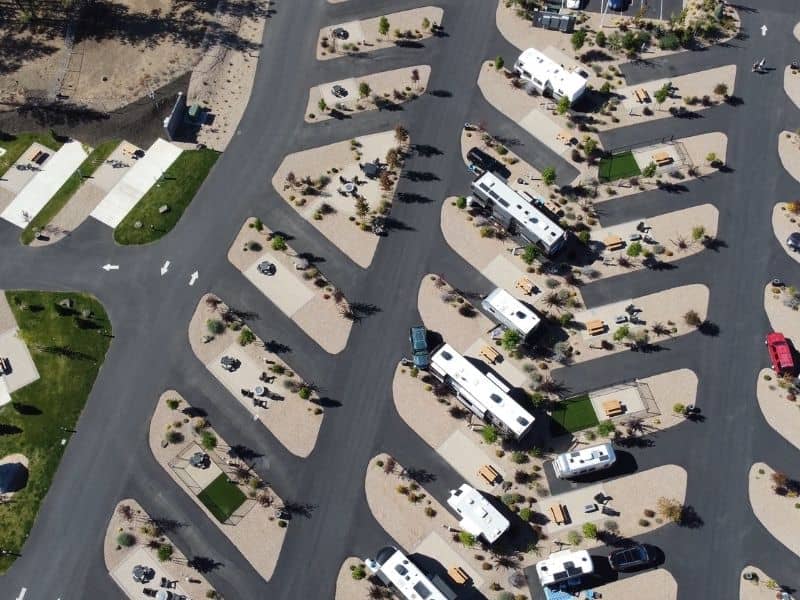
Buying an RV park is not like buying a house or a small store. You take on pads, drives, and shared spaces. These things often get changed over the years, sometimes by more than one owner. A due diligence survey shows you what is really on the ground before you agree on a price and set a closing date.
Alexander City sits along Lake Martin. Lake tourism keeps the demand for RV and camping sites strong here. That demand has pushed park owners to expand or change their layouts over time. Older parks often look different in person than they do on paper. A due diligence survey helps you find those gaps before they become your problem.
Define the Due Diligence Survey Scope Before Fieldwork
The scope of a due diligence survey depends on how the park is set up and what you need to know before closing. Before the surveyor starts work, you and the surveyor should agree on what the survey needs to cover.
For an RV park, this usually means the boundary lines, the pads, and the internal roads. It also covers shared spaces like a bathhouse, pool, or laundry building. If the park sits near the lake or a creek, ask the surveyor if water boundary rules apply too. Some buyers think a basic boundary survey covers everything. But a park like this often needs a wider scope. That can include the land’s shape, existing buildings, and how people get in and out.
Talk with your surveyor early about your timeline. Ask what your lender or title company will need. Some loans depend on having a finished survey in hand. It helps to sort this out before you get deep into your due diligence period.
Document RV Pads, Internal Drives, and Shared Improvements
Documenting pads, drives, and shared spaces means finding and mapping every feature that keeps the park running. This step goes past just marking a boundary line. It shows how the property works day to day.
A surveyor working on an RV park will usually locate each pad, the roads between them, utility hookups, and any shared buildings or common areas. This matters because RV parks often grow in stages. A pad added five years ago may not show up on the original site plan. A road that got widened for bigger rigs might now sit closer to a property line than anyone knew.
This step gives you a real list of what you are buying. It is not just what the seller’s brochure says. It also gives you something to compare against county records or any old site plans the seller can share.
Compare Recorded Property Information With the Existing Park Layout
Comparing recorded property records with the real layout means checking what is written down against what the surveyor finds in the field. This step often turns up differences that matter to a buyer.
Older RV parks near Lake Martin have often changed hands more than once. Each owner may have made changes without updating the recorded plats or easement papers. A surveyor can find a pad, fence, or road that crosses past a recorded boundary. They can find a utility easement that now runs under a parking area. They can also spot a shared road that does not match what the deed says.
These findings do not mean the deal falls apart. They give you and your attorney something real to talk about. That could mean a lower price, a fix paid for by the seller, or new wording in the purchase agreement.
Separate Survey Findings From Zoning and Utility Due Diligence
A due diligence survey shows the physical boundaries and site conditions. It does not confirm zoning rules or utility capacity. Keeping these two things apart helps you know what still needs work after the survey is done.
Zoning questions, like whether the park’s current use is allowed under Alexander City or Tallapoosa County rules, need to go through the local zoning or planning office. Utility questions, like whether the water and sewer lines can handle more pads or an expansion, usually need input from the utility company or a civil engineer.
The survey gives you solid facts about what is really there. Pairing it with zoning and utility answers gives you the full picture before you finish the purchase.
Use Survey Information Before Finalizing the RV Park Purchase
Survey information only helps once you use it to make real decisions before closing. That might mean changing your offer, asking for repairs, or just confirming the park matches what you thought you were buying.
Share the survey with your attorney, lender, and anyone helping with your plans for the property. If you want to add pads or grow shared spaces to meet rising lake tourism demand, the survey also gives you a starting point for that work. You will already have solid boundary and site facts on hand.
Check with your surveyor, lender, and title company about what paperwork they need and when. These needs can change based on the lender and the size of the deal.
